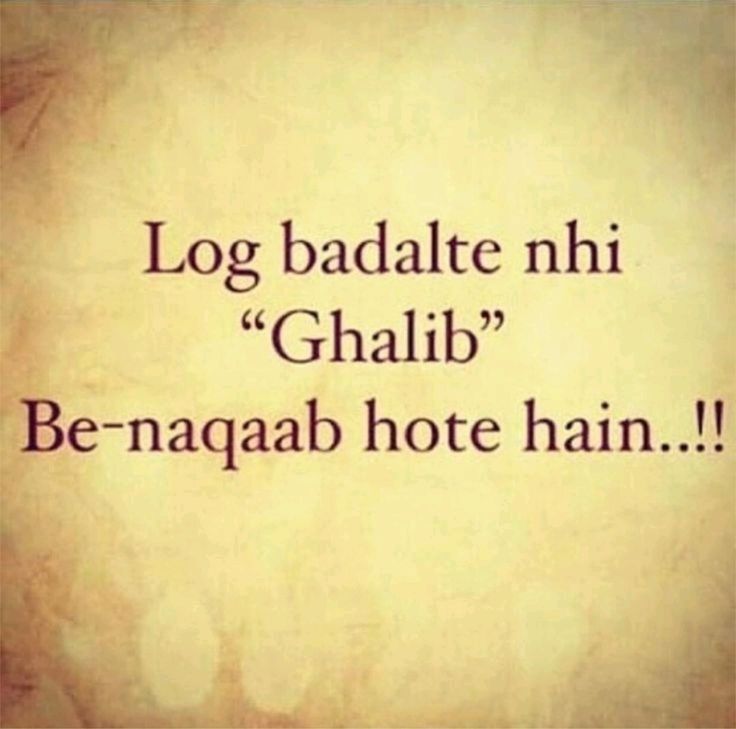
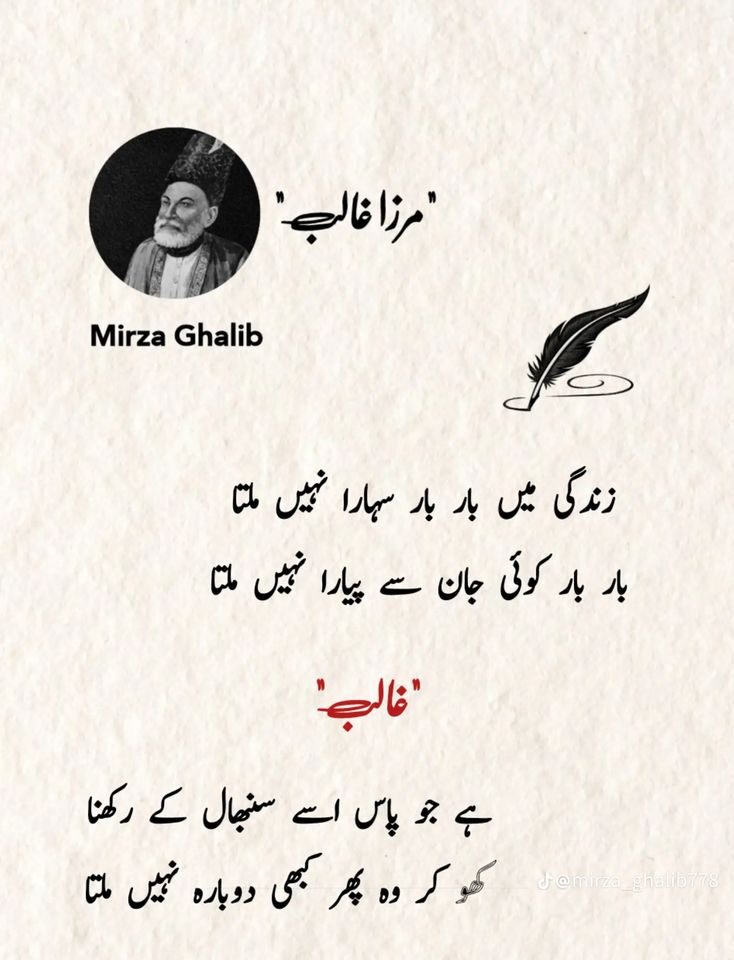
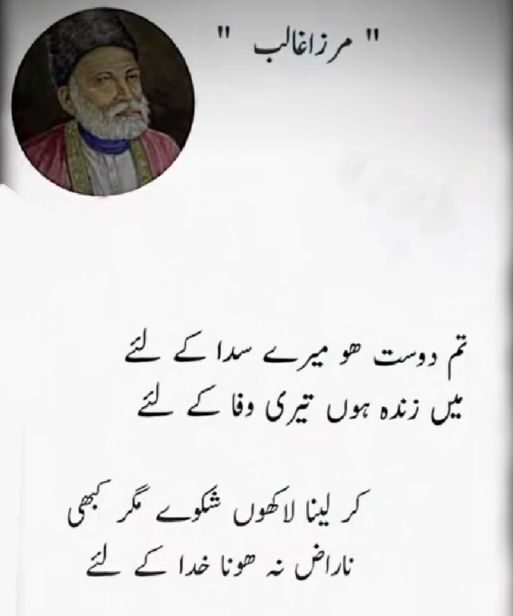
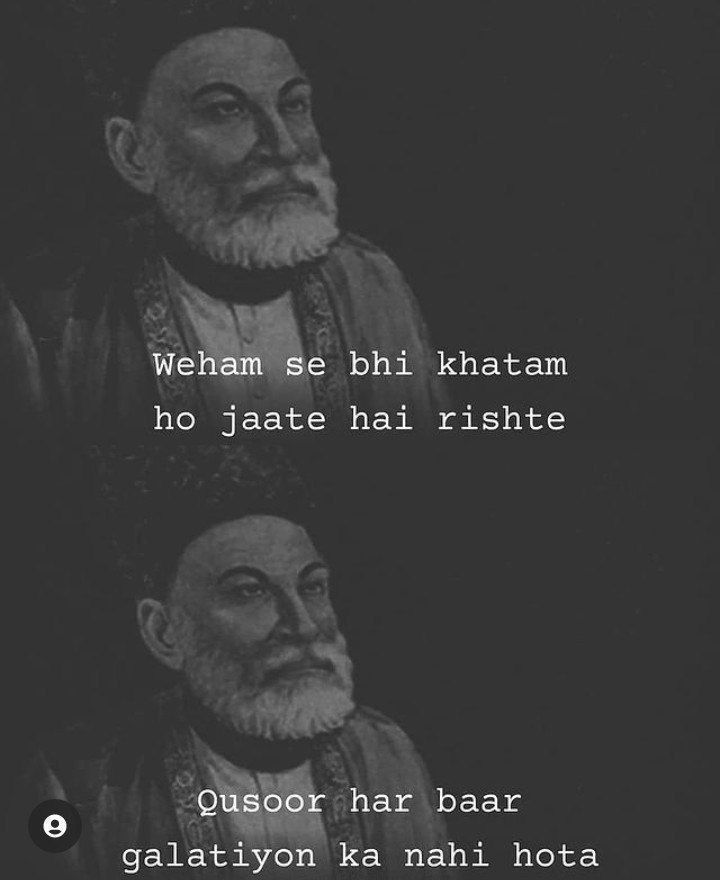
Mirza Ghalib Is Still the Greatest Urdu Poet Who Ever Lived
Introduction: The Life and Legacy of Urdu’s Greatest Poet
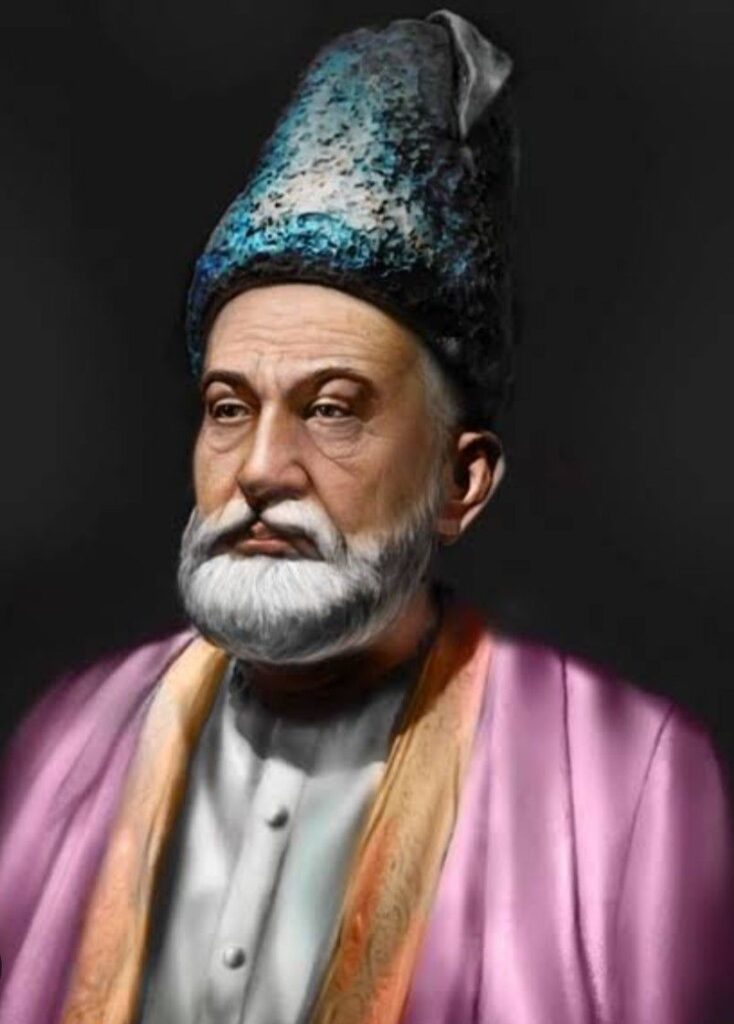
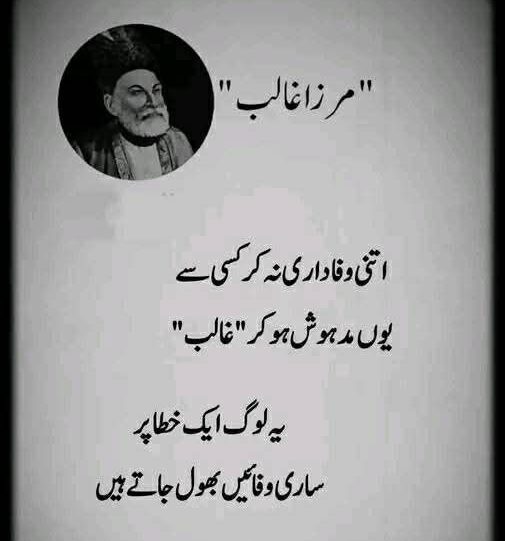
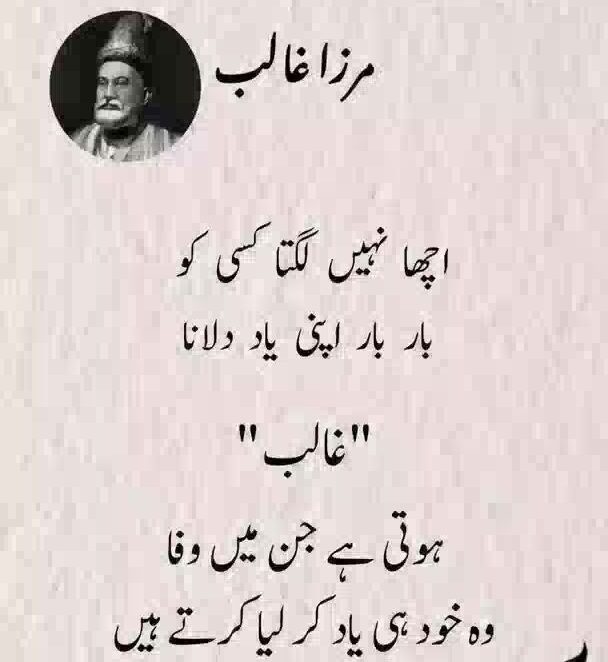
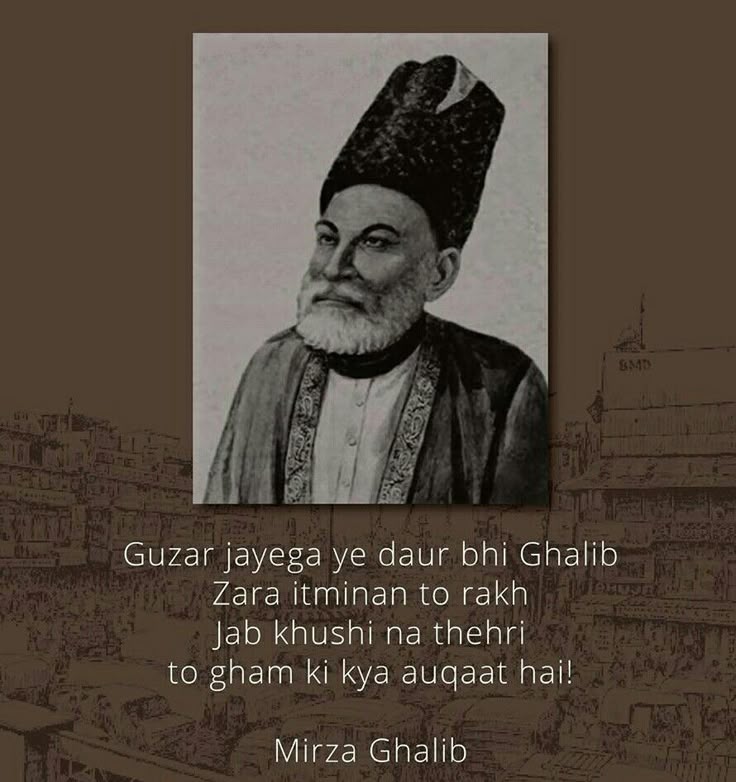
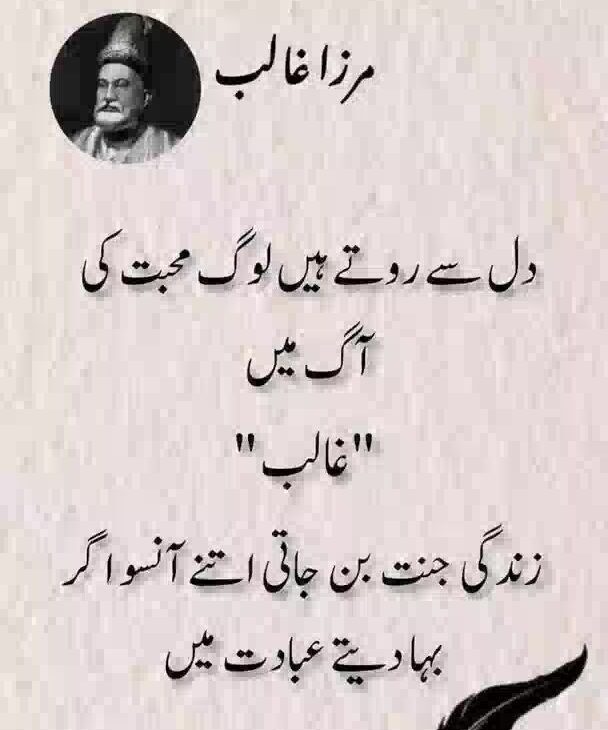
Mirza Ghalib remains one of the most celebrated poets in the history of Urdu and Persian literature, a towering figure whose verses have captivated readers for nearly two centuries. Born in 1797 in Agra, Ghalib composed ghazals that explored love, loss, philosophy, and the human condition with unmatched depth and wit. His command of Urdu poetry was so distinctive that scholars and literary historians consider him the defining voice of the classical era.
As a recognized authority on South Asian literary tradition — referenced extensively in academic institutions across India, Pakistan, and beyond — his diwan (collected works) continues to be studied, recited, and reinterpreted today. Whether you encounter his lines in a literary journal, a Bollywood song, or a college syllabus, Ghalib’s shayari speaks across time. This guide draws on established scholarship to explore his life, classical Persian influences, and enduring poetic legacy.
The Master of Delhi, Mirza Ghalib
To establish the authority of Mirza Ghalib, we must examine his background during the twilight of the Mughal Empire. Born Mirza Asadullah Baig Khan in 1797, he witnessed the transition from Mughal rule to British dominance. Furthermore, his struggle for his pension and his pride in his Persian lineage gave him a unique perspective on social standing. As a result, his poetry carries a weight of experience that few modern writers can replicate.
The Letters of Mirza Ghalib: A Human Experience
Notably, Ghalib changed the face of Urdu prose through his letters. Instead of using the heavy, artificial style of his time, he wrote as if he were speaking to the recipient. Indeed, this “human-first” approach to communication is why scholars consider him a pioneer of modern Urdu. However, his personal life was a string of tragedies, including the loss of all seven of his children, which fueled the profound sadness found in his Diwan.
Iconic Works: Mirza Ghalib Poetry
Diwan-e-Ghalib: His primary collection of Urdu poetry. Although slim, it contains a world of philosophical depth.
Ghalib’s Haveli: His residence in Ballimaran, Delhi. Specifically, it serves as a physical entity representing his final, impoverished years.
Philosophical Skepticism:Moreover, Ghalib was famous for questioning traditional norms, often using humor and irony to address God and the universe.
The “Ghalib Style”: Why He Ranks in the Hearts of Millions
Complexity and Metaphor (The Expertise)
First, Ghalib utilized highly Persianized vocabulary to elevate the Urdu language. Next, he introduced the concept of “difficult” poetry that required the reader to think deeply. By contrast to his rival, Zauq, who wrote for the king’s pleasure, Ghalib wrote for the sake of art and intellect. Therefore, his work provides the “information gain” that search algorithms and scholars alike admire.
Selected Verses by Mirza Ghalib
To truly appreciate his genius, one must observe his playful yet deep relationship with reality. For example, he writes about the illusion of existence:
“Na tha kuch toh khuda tha, kuch na hota toh khuda hota,Duboya mujh ko hone ne, na hota main toh kya hota.” (When there was nothing, God was there; had there been nothing, God would remain. My very existence has been my undoing; had I not existed, what would it have mattered?)
Similarly, his iconic lines on the nature of desire:
“Hazaron khwahishen aisi ke har khwahish pe dam nikle,Bohat nikle mere arman, lekin phir bhi kam nikle.” (Thousands of desires, each so intense it takes my breath away; many of my longings were fulfilled, yet they feel like too few.)
FAQs: Understanding the Legend of Mirza Ghalib
Q: Why did Mirza Ghalib use two pen names?
A: Principally, he started with “Asad” (Lion) but eventually switched to “Ghalib” (Dominant). Thus, he wanted his name to reflect his intellectual superiority and presence in the literary world.
Q: What was his relationship with the last Mughal Emperor?
A: Essentially, Ghalib served as the poetic tutor to Bahadur Shah Zafar. Consequently, he held a prestigious position in the court, though he often complained about his meager salary.
Q: How did Ghalib view religion?
A: As a consequence of his philosophical nature, he often took a liberal and playful view of religious rituals. In fact, he prioritized the “Spirit of Faith” over the “Letter of the Law,” making him a favorite among modern secularists.
Numan
I'm Numan — a genuine enthusiast of shayari and Urdu poetry. Reading and writing these words helps me make sense of my own life's moments. On this site, I share content across Shayari, Poets, Bible Verses, Quotes, and Wishes — each category built around words that genuinely resonate. Every couplet here is original — none of it is taken from any published poet. Connect with me on LinkedIn.